What Inspectors Look for During a Home Sale
When you’re selling a home with a septic system, the inspection can feel like one of the biggest unknowns in the transaction. Buyers want reassurance. Lenders want documentation. And if something fails, it can delay closing or lead to unexpected repair negotiations.
A septic inspection during a home sale is designed to confirm that the system is functioning properly, is not creating a health hazard, and does not show signs of failure. If issues are found, they often must be corrected before the sale can move forward.
Here is what typically fails a septic inspection and what sellers should know before listing their home.
Inspectors are looking for both current performance and signs of future failure. Even if the system appears to be working today, visible warning signs can still result in a failed report.
In many real estate transactions across Central Indiana, lenders require documentation confirming the septic system is functioning correctly before approving financing.
The Most Common Reasons a Septic System Fails Inspection
Certain issues come up repeatedly during home sales.
Evidence of Drain Field Failure
Standing water, soggy soil, or sewage odors over the drain field are major red flags. If wastewater is surfacing or not properly absorbing into the soil, the system will not pass inspection. In these cases, professional Septic System Repair or more extensive corrective work may be required.
High Liquid Levels in the Tank
If liquid levels are unusually high during inspection, it may indicate that wastewater is not leaving the tank properly. This can point to clogged lines, pump failure, or drain field issues. Inspectors often perform water flow tests to confirm proper movement.
Non-Functioning Effluent Pump
On pump-assisted systems, inspectors test pump operation and alarm function. If the pump fails to activate, cycles improperly, or shows electrical issues, the system will fail until repaired.
Damaged or Missing Baffles
Baffles are critical components that keep solids from leaving the tank. Broken or deteriorated baffles allow sludge to enter the drain field, significantly shortening its lifespan.
Improper System Size
If the home has added bedrooms or square footage over the years without upgrading the septic system, the system may be undersized. Inspectors compare tank capacity and system design to current occupancy standards.
Lack of Maintenance History
Buyers frequently ask for proof of routine Septic Tank Pumping. If records cannot be provided, it raises questions about how well the system has been maintained.
How Deferred Maintenance Shows Up During Inspection
In many cases, a septic failure during a home sale is not the result of sudden damage. It is the result of years of deferred maintenance.
If a tank has not been pumped regularly, solids may have migrated into the drain field. Even if the homeowner has not noticed obvious symptoms, an inspector may detect early signs of clogging or restricted flow.
Small issues such as cracked lids, missing risers, exposed components, or poor grading around the tank are also noted. These may not seem significant to the current owner, but they affect buyer confidence.
Why Pumping Before Listing Is Often a Smart Move
Many sellers choose to have their system pumped before putting the home on the market. Routine Septic Tank Pumping removes accumulated solids and allows a clearer view of internal tank components during inspection.
Pumping does not hide problems. In fact, it can expose them. But discovering issues early gives sellers time to address them proactively instead of negotiating repairs under deadline pressure.
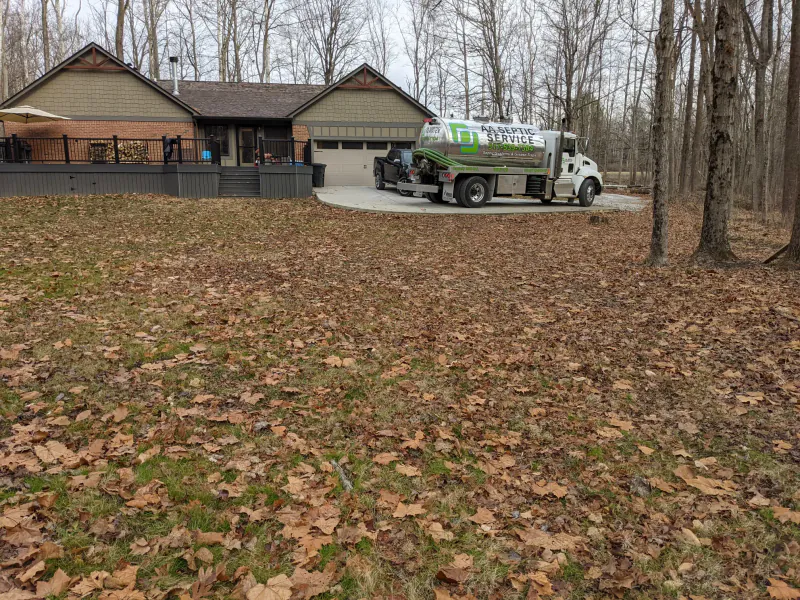
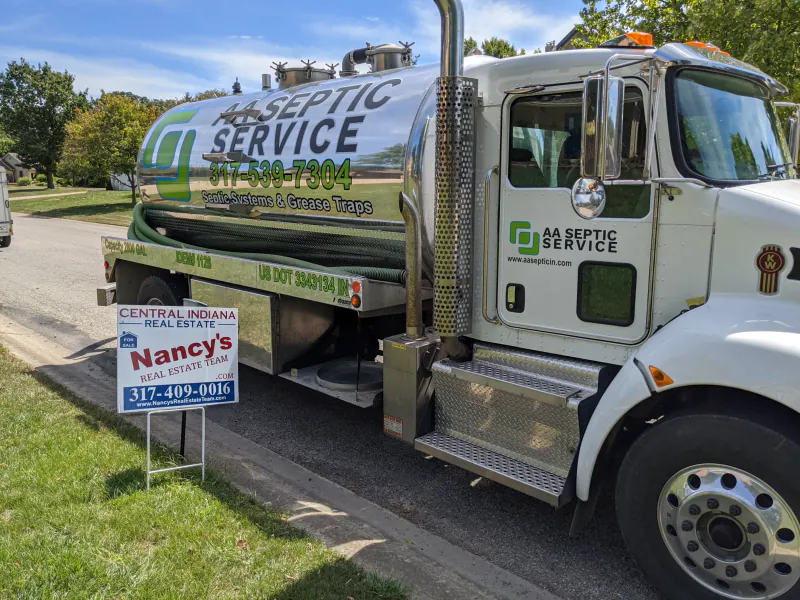
With nearly five decades in business, AA Septic Service has helped countless homeowners prepare for septic inspections before listing their homes. This approach often results in smoother transactions and fewer last-minute surprises.
How Inspection Failures Impact Negotiations
Because drain field replacement is one of the most expensive septic repairs a homeowner can face, buyers take inspection results seriously.
Addressing concerns early and working with an experienced local provider reduces uncertainty and keeps transactions on track.
Lift Stations and Advanced Systems Require Extra Attention
Properties with lift stations or advanced treatment systems face additional scrutiny.
Lift Station Pumping may be part of routine maintenance, but inspectors also evaluate float switches, control panels, and alarms. Mechanical failures are a common reason for inspection delays.
AA Septic Service’s 48+ years serving Hendricks, Putnam, Morgan, Marion, Boone, and Johnson Counties means they are familiar with the wide variety of systems installed throughout Central Indiana.
Why Experience Matters During a Home Sale
A septic issue during a sale can create stress for both buyers and sellers. Clear communication and accurate assessments make a difference.
AA Septic Service has built a reputation for straightforward recommendations and dependable service. Their experience allows them to quickly identify whether an issue is minor and repairable or something that requires more significant work.
Sometimes repairs are simple. Sometimes upgrades are needed. What matters most is knowing the facts before closing day.
Prepare Before You List
If you are planning to sell your home, do not wait for the buyer’s inspection to uncover problems. A pre-sale evaluation gives you control over the timeline and reduces surprises.
To schedule a septic inspection, pumping, or repair before your home hits the market, call (317) 539-7304 or contact AA Septic Service today.