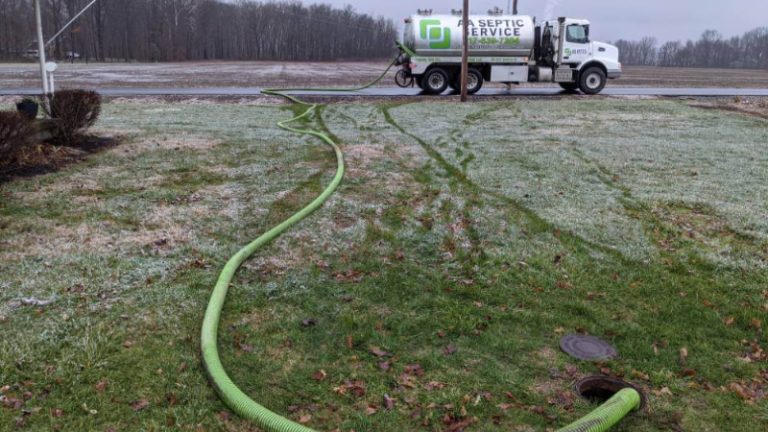
Commercial Lift Station Alarms: What Property Managers Should Know
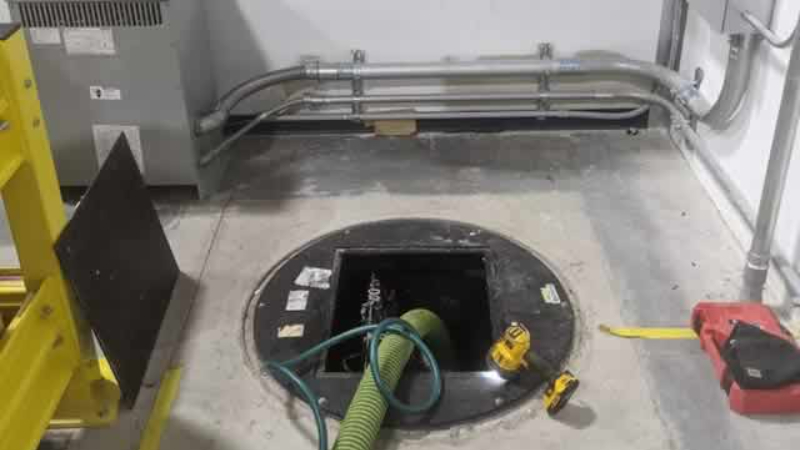
Commercial lift station alarms are not minor inconveniences. For property managers overseeing apartment complexes, retail centers, office buildings, medical facilities, or industrial properties, an alarm is an early warning that wastewater is not moving the way it should.
Unlike a single-family home, commercial properties generate high volumes of wastewater every day. Restrooms, break rooms, kitchens, floor drains, and tenant spaces all contribute to system demand. When a lift station alarm activates, the stakes are higher. Delays can disrupt tenants, damage property, and create serious health concerns.
AA Septic Service has been serving Central Indiana for more than 48 years and has earned over 700 five-star reviews. From commercial facilities in Brownsburg and Plainfield to multi-tenant properties across Hendricks County, Marion County, and Morgan County, experience matters when responding to mechanical wastewater systems under pressure.
Here is what property managers should understand about commercial lift station alarms.
What a Commercial Lift Station Alarm Is Actually Telling You
A lift station is designed to move wastewater from a lower elevation to a higher sewer connection or treatment area. In commercial systems, this typically involves dual pumps for redundancy, float switches to monitor levels, and a control panel that regulates pump cycles.
Most alarms activate when liquid levels rise above a preset threshold. That high-water condition can result from:
-
- A pump not activating
- A pump running but not discharging efficiently
- A clogged discharge line
- Float switches stuck or tangled
- An electrical control malfunction
The alarm does not diagnose the root cause. It simply signals that wastewater is backing up inside the basin faster than it is being removed. In a busy commercial setting, that can escalate quickly.
Why Response Time Is Critical for Property Managers
In a residential system, a homeowner may notice slow drains before a backup occurs. In a commercial property, dozens or even hundreds of people may be using plumbing fixtures at once.
When wastewater levels continue rising:
-
- Restrooms may become unusable
- Lower-level floor drains can overflow
- Tenants may close temporarily
- Health department complaints may follow
- Insurance claims can arise
A lift station failure in a retail center in Danville or an apartment complex in Marion County is not just a plumbing issue. It is a risk management issue. Acting quickly limits exposure.
Prompt professional Lift Station Pumping and inspection prevent minor mechanical problems from turning into large-scale emergencies.
Common Causes of Commercial Lift Station Alarms
Commercial systems face stress that residential systems rarely experience.
Grease and Foreign Materials
Restaurants and food-service businesses contribute grease and food particles. Even properties without kitchens can experience issues from wipes, paper products, and hygiene items. These materials wrap around impellers and block discharge lines.
Pump Wear and Mechanical Failure
Commercial pumps cycle frequently. Bearings wear down, seals degrade, and motors overheat. Without routine inspection, small performance losses go unnoticed until an alarm sounds.
Float Switch Malfunction
Float switches control when pumps engage. If debris restricts movement, pumps may fail to activate at the proper water level, triggering a high-water alarm.
Electrical or Control Panel Problems
Power surges, moisture intrusion, and component aging can affect control panels. Resetting breakers without diagnosing the cause may temporarily silence the alarm but does not solve the underlying issue.
Deferred Maintenance
Lift stations accumulate solids and debris over time. Without scheduled cleaning, buildup restricts flow and increases pump strain.
Facilities in Boone County and Johnson County that implement routine cleaning programs tend to experience fewer emergency alarms than those that wait for a failure.
What To Do When the Alarm Activates
Property managers should have a documented response plan in place.
-
- Alert on-site maintenance immediately
- Limit non-essential water usage if possible
- Avoid repeatedly silencing the alarm
- Do not open confined spaces without training
- Contact a qualified wastewater service provider
Lift stations are confined spaces. Hazardous gases, electrical components, and submerged mechanical equipment create serious safety risks. Professional service ensures the issue is handled correctly and safely.
The Cost of Ignoring a Commercial Lift Station Alarm
Ignoring an alarm rarely ends well.
Potential consequences include:
-
- Complete pump burnout
- Overflow events requiring environmental cleanup
- Damage to flooring and tenant spaces
- Emergency after-hours service costs
- Regulatory fines or health code violations
Replacing a commercial pump and repairing water damage costs significantly more than scheduled Lift Station Pumping and preventive maintenance.
With nearly five decades of experience, AA Septic Service has seen how quickly a neglected alarm can turn into a multi-day shutdown.
Preventive Maintenance for Commercial Properties
The most cost-effective strategy is prevention.
A professional maintenance program may include:
-
- Scheduled basin cleaning and debris removal
- Pump performance testing and amperage checks
- Float inspection and cleaning
- Control panel evaluation
- Grease accumulation monitoring
Many commercial sites also require routine Septic Tank Pumping or periodic Septic System Repair to support overall wastewater management.
A scheduled approach allows property managers to budget maintenance rather than react to emergencies.
AA Septic Service Supports Commercial Properties Across Central Indiana
AA Septic Service is based in Danville and provides commercial wastewater services throughout:
-
- Brownsburg
- Clayton
- Danville
- Mooresville
- Hendricks County
- Putnam County
- Morgan County
- Marion County
- Boone County
- Johnson County
We provide commercial Lift Station Pumping, Septic Tank Pumping, and Septic System Repair services backed by 48+ years of experience and more than 700 five-star reviews.
Do Not Ignore a Commercial Alarm
A commercial lift station alarm is a warning that wastewater flow has been interrupted. The longer it is ignored, the greater the operational and financial risk to your property.
Having a trusted local service partner makes response faster and more predictable.
If your commercial lift station alarm is active, call (317) 539-7304 or contact AA Septic Service today to schedule professional evaluation and service.