What Does a Septic System Replacement Actually Involve?
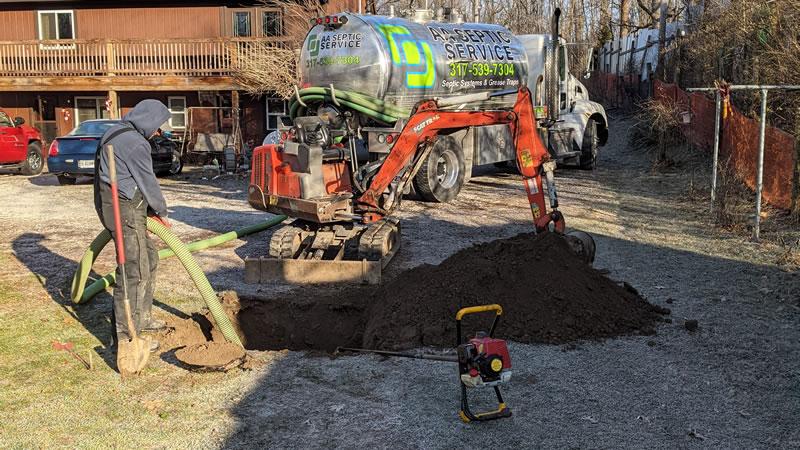
Hearing that you need a septic system replacement can feel overwhelming. It is not a small repair, and it is not something most homeowners ever plan for. The good news is that understanding the process helps remove a lot of the uncertainty.
A septic replacement is not just digging a hole and dropping in a new tank. It involves evaluation, permitting, soil considerations, excavation, installation, inspection, and long-term planning. Every property is different, especially across areas like Brownsburg, Danville, Mooresville, and throughout Hendricks, Morgan, and Boone Counties.
AA Septic Service has been serving homeowners for more than 48 years and has earned over 700 five-star reviews. With decades of experience working across Hendricks County, Morgan County, Putnam County, Marion County, Boone County, and Johnson County, their team understands how soil types, lot sizes, and local regulations shape the replacement process.
Here is what homeowners can expect when a system truly needs to be replaced.
When Is Replacement Necessary?
Not every septic issue requires full replacement. Many problems can be resolved through targeted Septic System Repair or routine Septic Tank Pumping.
Replacement is typically recommended when:
-
- The drain field has failed beyond repair
- The tank is cracked, collapsing, or leaking
- Repeated backups occur despite repairs
- The existing system is undersized for the home
- Local health regulations require a new system
In many cases, heavy soil saturation, tree root intrusion, improper installation decades ago, or long-term neglect contribute to failure. Some older systems installed 30 to 50 years ago were built under different standards than what counties require today.
Step 1: Confirming the Failure
Before replacement is even discussed, a thorough evaluation should be completed. This may involve pumping the tank, inspecting internal components, checking baffles, and evaluating how well the drain field is absorbing wastewater.
Sometimes what looks like full failure is actually a clogged effluent filter or a damaged line that can be repaired. A company with 48+ years in business understands the importance of diagnosing correctly before recommending major work.
If standing water is present over the drain field or sewage odors persist in the yard, those are strong indicators that the soil is no longer absorbing properly.
Step 2: Soil Testing and Layout Planning
Septic systems depend on soil. Clay-heavy soil found in parts of Morgan and Johnson Counties behaves differently than sandy or loamy soils in other areas.
A proper soil evaluation determines:
-
-
- Absorption rate
- Seasonal water table levels
- Required trench depth
- Drain field sizing
-
Designing a system without understanding soil conditions can lead to premature failure.
The layout must also account for property lines, wells, driveways, patios, and future building plans. This stage often requires coordination with county health departments for approval.
Step 3: Permitting and Compliance
Every county has specific septic installation regulations. Permits are not optional. Plans must be reviewed and approved before installation begins.
In Marion County, setback requirements may differ from those in rural Putnam County. Bedroom count, daily water usage estimates, and site conditions all factor into final approval.
Skipping proper permitting can create serious issues when selling the home later.
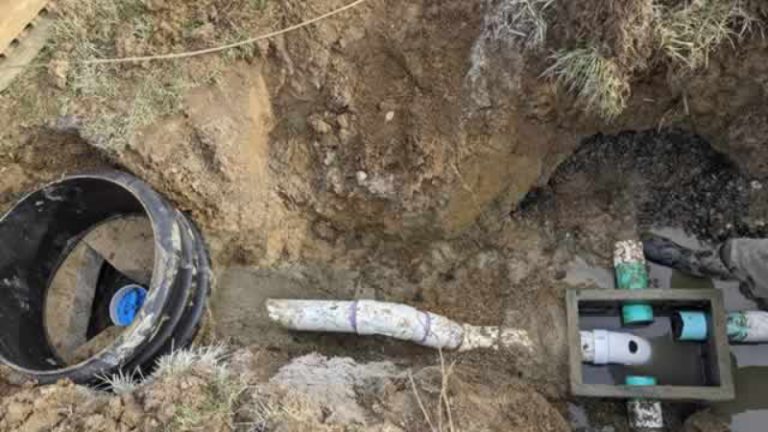
Step 4: Excavation and Removal of the Old System
Once approved, excavation begins.
Heavy equipment removes the old tank if necessary and prepares trenches for the new drain field. If the old tank is structurally sound, it may sometimes be abandoned in place depending on county rules.
Excavation can look dramatic, but experienced installers plan carefully to limit unnecessary yard damage. After installation, final grading restores the area as much as possible.
Step 5: Installing the New Components
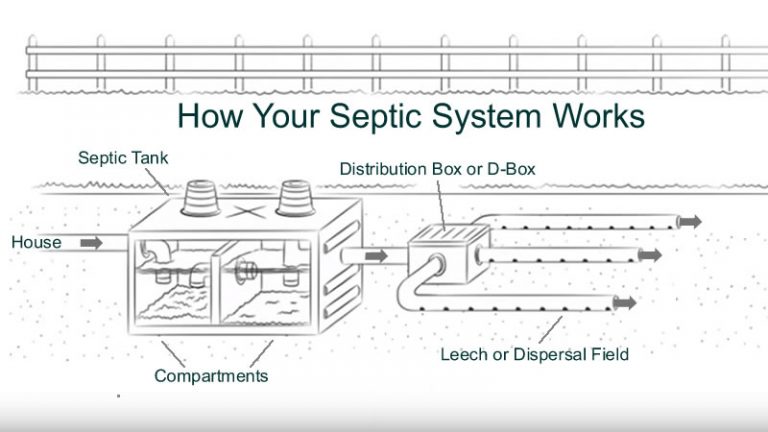
The new tank is set at proper grade to ensure gravity flow where applicable. In pump-assisted systems, electrical components and control panels are installed and tested thoroughly.
Drain field lines are placed at precise spacing and depth. Gravel or chamber systems may be used depending on design.
If the property uses mechanical transfer, proper pump setup is essential, and future Lift Station Pumping and inspections will remain part of long-term maintenance.
Step 6: Inspection and Backfill
Before trenches are covered, inspectors verify compliance with approved plans. Once signed off, the system is backfilled and graded.
From start to finish, the process may take several days to a week depending on weather, soil conditions, and scheduling.
What Impacts the Cost?
Replacement costs vary widely based on:
-
- System size and design
- Soil type and water table
- Accessibility for equipment
- Need for pumps or advanced treatment
- Local permitting fees
Properties with limited space or challenging soil may require alternative system designs, which can increase investment.
This is why regular Septic Tank Pumping and inspections are so important. Many replacements could have been delayed years with consistent maintenance.
Life After Replacement
A new septic system is designed to last decades when properly maintained.
Homeowners should:
-
- Maintain a pumping schedule based on household size
- Avoid flushing wipes and non-degradable products
- Keep heavy equipment off the drain field
- Redirect roof and surface water away from septic areas
- Address alarms or warning signs promptly
Preventive care protects the significant investment you just made.
AA Septic Service Pumps Out Septic Tanks In Central Indiana
AA Septic Service is based in Danville, Indiana and provides septic tank pumping and vacuum truck services throughout Brownsburg, Clayton, Danville, Mooresville, and across:
We provide residential and commercial Septic Tank Pumping, Septic System Repair, Lift Station Pumping, and full system replacement services backed by nearly five decades of local experience and more than 700 five-star reviews.
Do Not Delay a Failing System
If your drain field has failed or your tank is structurally compromised, delaying replacement can lead to health hazards and property damage.
The sooner you schedule an evaluation, the more control you have over planning and budgeting.
Call (317) 539-7304 or contact AA Septic Service today to schedule an inspection and discuss whether repair or full replacement is the right solution for your property.