
How Often Should You Really Pump Your Septic Tank?
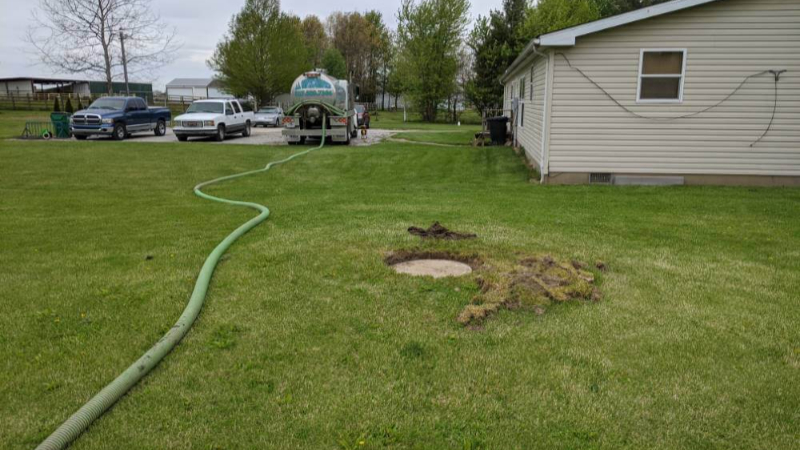
One of the most common questions homeowners ask is simple: how often should you pump your septic tank?
You will hear a lot of general advice. Every three years. Every five years. Only when there is a problem. The truth is that there is no single answer that fits every home. Pumping frequency depends on how your system is used, how large it is, and how well it has been maintained.
Across communities like Brownsburg, Danville, Clayton, and Mooresville, many properties rely entirely on onsite wastewater treatment systems. In areas throughout Hendricks County and Putnam County, septic systems are the norm rather than the exception. Staying ahead of pumping schedules in these areas is one of the most important steps you can take to avoid costly repairs.
AA Septic Service has been serving homeowners for more than 48 years and has earned over 700 five-star reviews. With decades of hands-on experience throughout Morgan County, Marion County, Boone County, and Johnson County, they have seen what happens when tanks are pumped too late and what consistent maintenance can prevent.
Here is what really determines how often your septic tank should be pumped.
The General Rule of Thumb
For most households, septic tanks should be pumped every three to five years.
That range assumes:
-
- A typical family of four
- A properly sized septic tank
- Normal daily water use
- No excessive garbage disposal use
However, this is only a starting point. Some homes in Mooresville or rural Hendricks County may need pumping more frequently, while a smaller household in Boone County may safely extend beyond that window with proper monitoring.
Routine Septic Tank Pumping removes accumulated sludge and scum before solids overflow into the drain field. Once solids enter the drain field, damage becomes far more expensive to correct.
Factors That Change Your Pumping Schedule
Not all septic systems operate under the same conditions. Several variables directly impact how quickly solids accumulate.
Household Size
More people means more wastewater and more solids entering the tank. A household of six in Brownsburg will almost always need pumping sooner than a retired couple in rural Putnam County.
Tank Size
Larger tanks hold more volume and may allow for longer intervals between pump-outs. Smaller tanks fill faster and reach critical sludge levels more quickly.
Water Usage Habits
Frequent laundry loads, long showers, and high water consumption accelerate tank filling. Spreading out water usage helps reduce stress on the system, especially during heavy rainfall common in Morgan and Johnson Counties.
Garbage Disposal Use
Food waste significantly increases solid buildup. Homes that rely heavily on disposals often require more frequent pumping.
Previous Maintenance History
If a tank has not been pumped regularly in the past, sludge levels may already be higher than expected. Establishing a consistent schedule moving forward is important.
What Happens If You Wait Too Long?
Delaying pumping does not save money. It increases risk.
When sludge builds up too high inside the tank, solids can exit through the outlet baffle and enter the drain field. This clogs perforated pipes and reduces soil absorption.
Over time, this can lead to:
-
- Slow drains throughout the house
- Standing water over the drain field
- Sewage odors in the yard
- Septic alarm activation
- Drain field failure
At that point, professional Septic System Repair may be required. Drain field replacement is one of the most expensive septic repairs a homeowner can face.
Throughout communities like Danville and Clayton, AA Septic Service has seen how consistent pumping extends system life by years, sometimes decades. Conversely, neglect can shorten a system’s lifespan dramatically.
How to Know If Your Tank Is Due
Septic tanks do not always give obvious warning signs before they are full. That is why scheduled maintenance matters.
Certain symptoms suggest pumping may be overdue:
-
- Slow-draining sinks or tubs
- Frequent toilet clogs
- Gurgling sounds in plumbing
- Wet spots near the tank or drain field
- Septic alarm warnings on pump-assisted systems
If you live in areas with clay-heavy soils like parts of Marion or Hendricks County, saturated ground conditions can compound these symptoms, making proactive maintenance even more important.
Pump-Assisted Systems and Lift Stations
Homes with pump-assisted systems or lift stations require additional attention. Mechanical components must function properly to move wastewater to the drain field.
Routine Lift Station Pumping and inspection help prevent mechanical failure. Float switches, control panels, and pumps should be evaluated during maintenance visits.
If a pump fails due to neglect, repairs are often more expensive than preventative service.
Why Guessing Is Not a Good Strategy
Some homeowners try to wait until they notice a problem before calling for pumping. By the time symptoms appear, the tank may already be beyond a safe sludge level.
A better approach is creating a maintenance plan based on your specific household. Whether you are in Brownsburg, Mooresville, or rural Johnson County, having a set interval prevents emergencies.
With over 700 five-star reviews and nearly five decades of service, AA Septic Service is known for giving practical guidance, not arbitrary schedules.
Regular Pumping Protects Property Value
Consistent maintenance protects more than plumbing. It protects resale value.
When it comes time to sell, buyers often request proof of routine Septic Tank Pumping. A documented history demonstrates responsible ownership and helps avoid inspection surprises.
AA Septic Service Pumps Out Septic Tanks In Central Indiana
AA Septic Service is based in Danville, Indiana and provides septic tank pumping and vacuum truck services throughout Brownsburg, Clayton, Danville, Mooresville, and across:
We provide residential and commercial Septic Tank Pumping, Septic System Repair, Lift Station Pumping, and holding tank service backed by nearly five decades of local experience.
Stay Ahead of Problems
Waiting until you have slow drains or an alarm is not the best plan. Proactive maintenance is simpler and more affordable than emergency repairs.
If you are unsure when your tank was last pumped, call (317) 539-7304 or contact AA Septic Service today to schedule service and establish a maintenance plan that fits your home.
