Do You Have a Septic Filter? Why It Matters More Than You Think
If you are not sure whether your septic system has a filter, you are not alone. Many homeowners across Hendricks, Morgan, and Boone Counties have no idea one is even installed in their tank.
Yet that small component plays a major role in protecting your drain field.
A septic effluent filter is designed to catch solids before they leave the tank and enter the drain field. When it is working properly, it prevents costly damage. When it is neglected, it can cause slow drains, high-water alarms, and even sewage backups.
AA Septic Service has been serving homeowners for more than 48 years and has earned over 700 five-star reviews. Over decades of service calls throughout Hendricks County, Morgan County, Putnam County, Marion County, Boone County, and Johnson County, their team has seen firsthand how something as simple as a neglected filter can lead to major repairs.
Here is what you need to know.
What Is a Septic Effluent Filter?
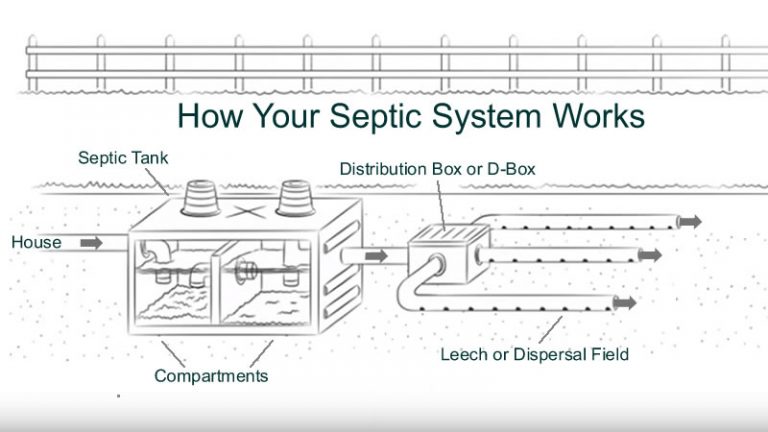
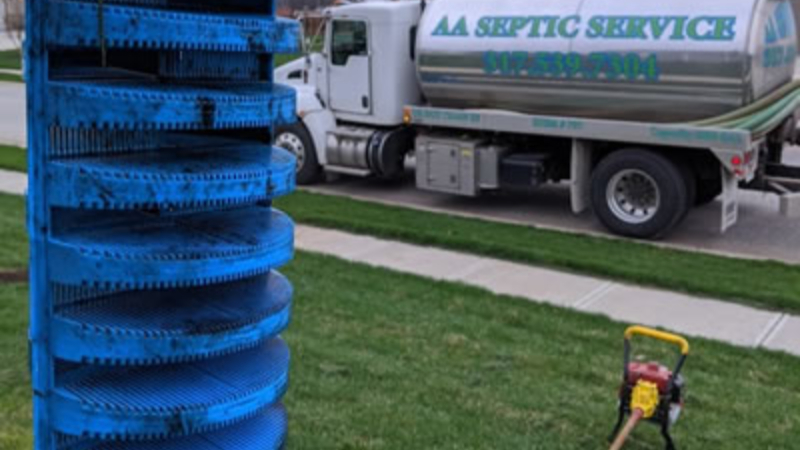
An effluent filter is typically installed at the outlet of your septic tank. Its job is to trap suspended solids that could otherwise flow into the drain field.
Think of it as a final line of defense inside the tank. The tank already separates solids and liquids, but small particles can still pass through. The filter catches those particles before they reach and clog the soil absorption area.
Not every older system has one. Many systems installed in the past few decades do.
If your home was built or the septic system was replaced in the last 20 to 30 years, there is a strong chance a filter is present.
Why the Filter Matters More Than You Think
Your drain field is the most expensive part of your septic system to replace. Once soil becomes clogged with solids, it is extremely difficult and costly to restore.
A properly maintained filter helps:
-
- Prevent solids from entering the drain field
- Reduce the risk of premature drain field failure
- Protect pumps and downstream components
- Extend the overall life of the system
Without a filter, or with one that is clogged and overflowing, solids can move forward into the trenches. Once that happens, the soil’s ability to absorb wastewater is reduced.
Over time, this can lead to standing water in the yard, odors, and the need for major Septic System Repair or even full replacement.
What Happens When a Septic Filter Gets Clogged?
A filter is designed to collect debris. That means it must be cleaned periodically.
When it becomes clogged, wastewater cannot flow freely out of the tank. This can cause:
-
- Slow drains inside the home
- Gurgling toilets
- High-water alarms on pump systems
- Backups during heavy water use
In many cases throughout Mooresville and Clayton, homeowners assume they need pumping when the real issue is a dirty filter. Other times, both pumping and filter cleaning are required.
Routine Septic Tank Pumping appointments are the ideal time to inspect and clean the filter safely.
How Often Should a Septic Filter Be Cleaned?
There is no one-size-fits-all answer.
Filter cleaning frequency depends on:
-
- Household size
- Water usage habits
- Whether wipes or non-degradable products are flushed
- Whether a garbage disposal is heavily used
For many households in Danville or Brownsburg, cleaning the filter every time the tank is pumped is a safe and practical schedule. Some higher-usage homes may require more frequent inspection.
Ignoring the filter is what creates problems.
Why Filter Cleaning Is Not a DIY Task
It may seem simple to pull and rinse a filter, but opening a septic tank is not safe without training and proper equipment.
Septic tanks contain hazardous gases. Internal components can be damaged if handled improperly. Lids are heavy and sometimes fragile.
Improper reinstallation of the filter can cause more harm than good.
This is why professional service matters. During scheduled Septic Tank Pumping, technicians can safely inspect, clean, and reinstall the filter while also evaluating overall tank condition.
Filters and Pump Systems
If your home uses a pump-assisted system, the filter becomes even more important.
Pumps are expensive mechanical components. Allowing solids to reach the pump chamber increases wear and can lead to motor failure.
In areas like Marion County and Johnson County, many properties rely on pump systems due to elevation or layout constraints. A clogged filter in these systems can quickly trigger alarms and require urgent attention.
If a pump fails due to neglected maintenance, professional Septic System Repair or even Lift Station Pumping may be necessary.
Signs Your Filter May Need Attention
You may not see the filter directly, but your system gives warning signs.
Watch for:
-
- Slower drains than usual
- Alarm activation without heavy rainfall
- Frequent need to reset breakers
- Unusual odors near the tank area
These symptoms do not always mean drain field failure. Often, they indicate restricted flow at the filter.
Catching the issue early prevents larger damage.
AA Septic Service Pumps Out Septic Tanks In Central Indiana
AA Septic Service is based in Danville, Indiana and provides septic tank pumping and vacuum truck services throughout:
-
- Brownsburg
- Clayton
- Danville
- Mooresville
- Hendricks County
- Putnam County
- Morgan County
- Marion County
- Boone County
- Johnson County
We provide residential and commercial Septic Tank Pumping, Septic System Repair, Lift Station Pumping, and ongoing septic maintenance backed by nearly five decades of local experience and more than 700 five-star reviews.
Do Not Overlook a Small Component
A septic filter may be small, but its impact is significant.
Keeping it clean protects your drain field, your pump, and your long-term investment.
If you are unsure whether your system has a filter or when it was last serviced, it is worth scheduling an evaluation.
Call (317) 539-7304 or contact AA Septic Service today to schedule pumping, filter inspection, or a full system evaluation.