Tree Roots in Sewer Lines: Signs, Risks, and Solutions
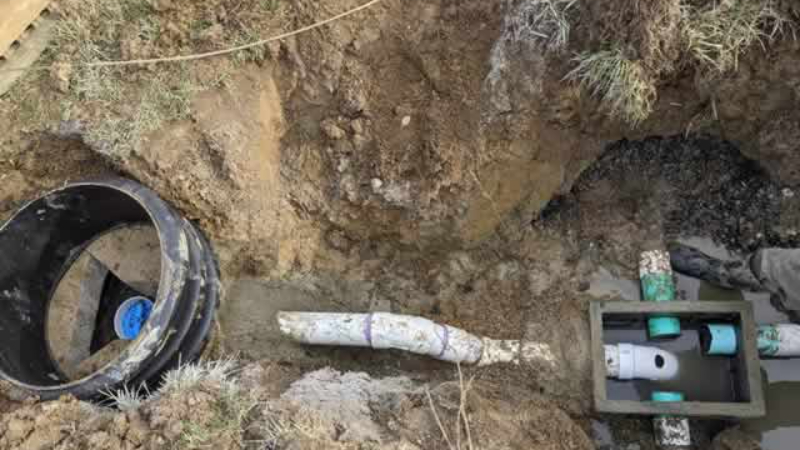
Tree roots and sewer lines are a common combination in Central Indiana, especially in neighborhoods with mature landscaping. Trees naturally seek out moisture and nutrients. Underground sewer lines and septic piping provide both. Once roots find a small crack or joint in a pipe, they can work their way inside and begin to grow.
At first, the problem may seem minor. A slightly slow drain. Occasional gurgling in a toilet. Over time, however, root intrusion can restrict flow, cause backups, and even damage pipes beyond repair.
AA Septic Service has been serving Central Indiana for more than 48 years and has earned over 700 five-star reviews. With decades of experience working on septic systems, sewer lines, and lift stations throughout the region, they have seen firsthand how tree roots can quietly create serious problems underground.
Here is how roots get into sewer lines, what warning signs to watch for, and what solutions are available.
How Tree Roots Invade Sewer Lines
Most sewer and septic pipes are buried several feet underground. Older homes may have clay or cast iron pipes. Even newer PVC systems have joints and connection points.
Tree roots do not break through solid pipe walls immediately. They typically enter through:
-
- Small cracks caused by aging or shifting soil
- Loose pipe joints
- Damaged seals at connection points
- Deteriorated clay or cast iron sections
Once inside, roots expand as they absorb moisture. Over time, they form dense masses that trap debris and restrict wastewater flow. In severe cases, they can cause pipes to crack, collapse, or separate entirely.
Early Warning Signs of Root Intrusion
Root problems rarely start with a dramatic backup. Instead, they develop gradually.
Common early symptoms include:
-
- Slow-draining sinks, tubs, or showers
- Toilets that gurgle when flushed
- Frequent clogs in multiple fixtures
- Sewage odors inside or outside the home
- Unusually green patches of grass over sewer lines
If multiple fixtures are affected at the same time, the problem is often in the main line rather than an isolated drain.
Ignoring these signs allows roots to continue growing inside the pipe. Eventually, wastewater may back up into the home.
The Risks of Waiting Too Long
Tree roots do not go away on their own. Once established, they continue to grow.
The risks of delaying action include:
-
- Complete sewer line blockage
- Sewage backups inside the home
- Pipe cracking or collapse
- Damage to septic tank inlets or outlet lines
- Costly excavation and replacement
In septic systems, root intrusion can restrict flow between the house and the tank. If solids cannot reach the tank properly, they may accumulate in the line. This often leads homeowners to schedule Septic Tank Pumping, only to find that the problem persists because the real issue is the blocked pipe.
With 48+ years of experience, AA Septic Service has seen many cases where minor root intrusion could have been addressed early, but was left until major repairs were required.
How Root Intrusion Affects Septic Systems
In properties with septic systems, tree roots can impact multiple components:
-
- House-to-tank sewer lines
- Tank inlet and outlet connections
- Distribution boxes
- Drain field piping
Roots growing into the drain field can be especially problematic. They may clog perforated pipes and interfere with wastewater distribution. In these situations, professional Septic System Repair may be necessary to restore proper flow.
If left unaddressed, root damage can shorten the lifespan of the entire system.
How Root Problems Are Diagnosed
When root intrusion is suspected, a professional evaluation is essential.
Diagnosis may include:
-
- Flow testing
- Inspecting liquid levels inside the tank
- Checking for line restrictions
- Evaluating pump performance on pump-assisted systems
If roots are affecting pump-assisted systems, alarms may activate due to restricted discharge. In these cases, both mechanical and structural issues must be evaluated.
AA Septic Service’s decades of experience across Hendricks, Putnam, Morgan, Marion, Boone, and Johnson Counties allows them to quickly identify whether symptoms point to root intrusion or another issue entirely.
Solutions for Tree Root Intrusion
The appropriate solution depends on the severity of the intrusion and the condition of the pipe.
In some cases, roots can be mechanically cleared from the line. However, clearing alone does not fix the structural weakness that allowed entry.
If the pipe is cracked, separated, or collapsed, targeted Septic System Repair or line replacement may be required.
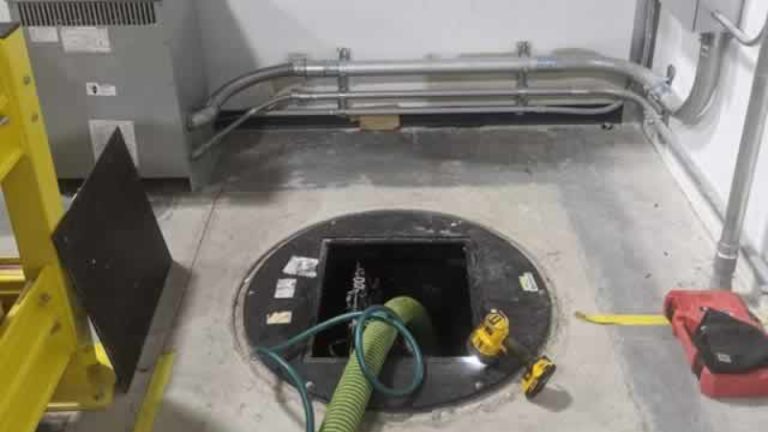
For properties with lift stations, roots may also impact discharge lines. Routine Lift Station Pumping and inspection help identify developing issues before they escalate.
The key is addressing the problem early, before backups or widespread damage occur.
Preventing Future Root Problems
While not all root intrusion can be prevented, homeowners can reduce risk by:
-
- Avoiding planting trees near sewer lines or drain fields
- Knowing the location of underground piping
- Scheduling routine maintenance and inspections
- Responding promptly to slow drain symptoms
Mature trees add value and beauty to a property, but they must be managed carefully around septic infrastructure.
AA Septic Service Pumps Out Septic Tanks In Central Indiana
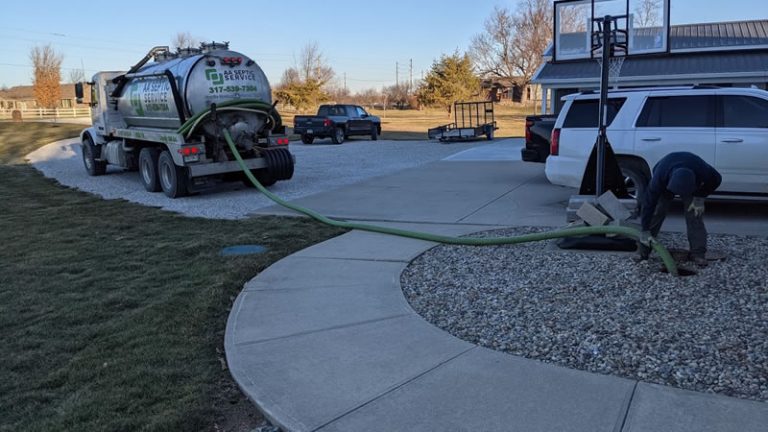
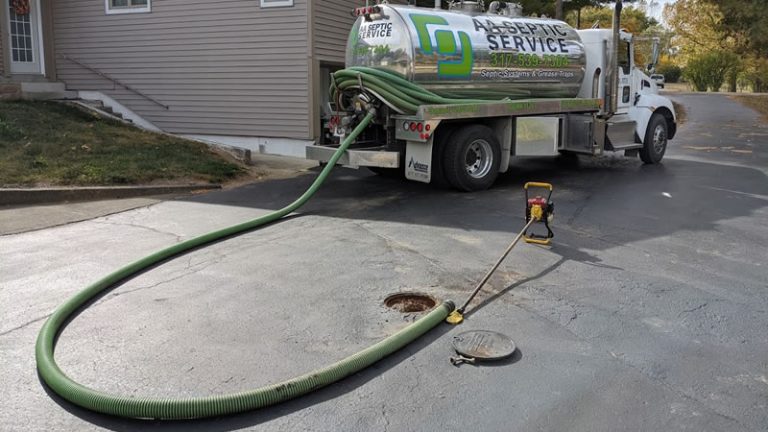
AA Septic Service is based in Danville, Indiana and provides septic tank pumping and vacuum truck services throughout:
-
- Brownsburg
- Clayton
- Danville
- Mooresville
- Hendricks County
- Putnam County
- Morgan County
- Marion County
- Boone County
- Johnson County
We provide residential and commercial Septic Tank Pumping, Septic System Repair, Lift Station Pumping, and holding tank service backed by nearly five decades of experience and over 700 five-star reviews.
Do Not Ignore Slow Drains or Recurring Clogs
Tree roots are one of the most common causes of sewer line problems, and they rarely fix themselves.
If you are noticing slow drains, recurring clogs, or sewage odors, do not wait until wastewater backs up into your home.
Call (317) 539-7304 or contact AA Septic Service today to schedule an evaluation and protect your septic system from further damage.