
What Does a Septic Dose Pump Do?
Not all septic systems rely on gravity. If your property has elevation changes or specific soil requirements, your system may use a pump to move wastewater to the drain field in controlled intervals.
The dose pump sits inside a pump chamber (wet well) and pushes effluent through a pressurized line. Depending on the design, it may operate using:
-
- Float controls that activate when water reaches a set level
- A timer system that releases effluent in measured cycles
Both systems are designed to protect the drain field and prevent overloading.

Common Dose Pump Problems We Diagnose

We frequently respond to pump-related failures caused by a combination of mechanical wear, electrical issues, and improper maintenance. Because dose pumps operate in a harsh, corrosive environment, even small issues can escalate quickly if left unaddressed.
Common causes include:
-
- Clogged pump screens from wipes, grease, or debris
- Damaged or obstructed impellers inside the pump housing
- Float switch malfunction preventing proper on/off cycling
- Timer or control panel failure in timed dosing systems
- Electrical supply issues or wiring problems
- Pump motor burnout due to age or excessive strain
- Excess sludge buildup in the chamber restricting intake
- Improperly sized or incorrectly installed pumps
When a pump cannot move wastewater efficiently, water levels rise, alarms activate, and backups can occur. Many pump failures are preventable with regular tank pumping, routine inspection, and addressing warning signs early.
Proper maintenance reduces strain on the pump and extends the life of the entire system.
Dose Pump Repair or Replacement?
Not every dose pump issue requires full replacement. In some cases, a clogged intake, float adjustment, or electrical repair can resolve the problem.
If the pump motor has failed or the unit is improperly sized for the system, replacement may be the more reliable solution. We will inspect the chamber, test the controls, and clearly explain whether repair or replacement is recommended.
Our goal is always to provide a practical, cost-effective solution based on the condition of your system.
Serving Central Indiana
AA Septic Service provides dose pump repair and replacement in:
-
- Boone County
- Hendricks County
- Johnson County
- Marion County
- Morgan County
- Putnam County
We arrive with the proper equipment, diagnose the issue efficiently, and treat your property with care.
What Clients Say After Septic System Repairs
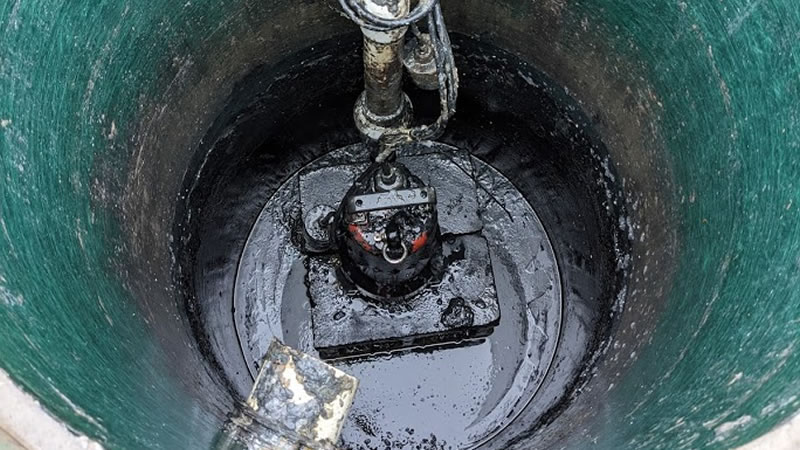
Septic Dose Pump Diagnosis, Repair, and Replacements
If your septic system doesn't rely on gravity to disperse effluent into your septic field, then you likely have a system that relies on a dose pump. The dose pump is responsible for delivering the effluent from the pump tank to the next part of your system which could be a holding tank, lift station, or into your septic field.
Common Signs You Need Your Dose Pump Inspected?
- Backing up and the alarm is going off
- Dose pump not turning on and off as it should
- Dose pump needs to be replaced
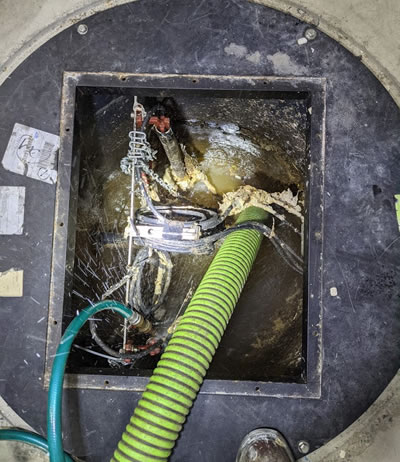
AA Septic Service is a sewer and septic service company that specializes in dose pump inspection, replacement, and installation. Based out of Clayton, Indiana we can dispatch one of our pump trucks with an experienced septic specialist to diagnose and repair any problems with your septic pump. We serve Brownsburg, Clayton, Danville, Mooresville, Hendricks County, Putnam County, Morgan County, Marion County, Boone County, and Johnson County.
Septic Dose Pump Services We Offer:
- Septic dose pump repair
- Septic dose pump replacement
- Septic dose pump troubleshooting
Which Type Of Dose Pump Do You Have?
There are two primary types of septic dose pumps we see in the field and we will be able to tell you exactly which system you have when we inspect your septic system. They can either be controlled with a float and when the effluent reaches a certain height in the tank it triggers the float switch and the pump comes on, or the dose pump can be controlled via a timed switch that controls when the pump is on and when it's in a rest cycles. They both have their specific applications.
Float Controlled Dose Pump: This is the most common form of dose pump we see in the field. The pump motor is operated by a special switch on the float. Modern float switch systems usually have two floats. One float turns the pump on and the other float turns the pump off. Your float control should usually be equipped with a "cycle counter" or "meter" that can record the number of cycles the pump has been run for and how long. This is helpful information when someone is inspecting your pump for problems.
Timer Controlled Dose Pumps: For a timed dosing system you will have an adjustable timer that can be adjusted to control the pump rest interval and run times. The pump can be programmed for your specific septic system needs. Timed dose pumps allow the effluent to be released into your field more equally which can result in more efficient treatment and longer septic field life. Timer controlled septic pumps allow for greater flexibility and can be setup a variety of ways depending on the size of your septic system.
Common Problems We See With Septic System Pumps
- Clogged pump screen or inlet: This is common when non-septic safe items are flushed down your toilets. Baby/flushable wipes, feminine hygiene products (tampons), and too much solids in the tank can all cause the pump screen to clog.
- Pump motor is running continuously: This can be an electrical issue or a problem with the dose pump switch whether it's on a float switch or a timer. We can tell you the problem with a simple inspection and troubleshooting procedure.
- Clogged or broken impeller: The pump has an impeller (like a propeller) inside the housing to move the effluent through the pump. The impeller can easily be clogged by someone flushing baby/flushable wipes or tampons and other items down the toilet. The impeller can be damaged when it encounters items that should not be in your septic system.
- The tank has too much sludge in the bottom: Your dose pump cannot operate properly if it's immersed in sludge. The sludge will block the pump intake and will cause the pump to work much harder than it should which results in eventual pump damage and/or failure. The solution to this is to have your tank pumped out at the recommended regular intervals.
- Improperly installed pumps: All septic dose pumps are not created equal. They all carry different ratings and there will be specific pumps for specifically sized systems. It's not uncommon to find pumps that are not suited to the task. This results in the pump being not able to keep up with the effluent and early pump failure.
- Electrical supply problems: Your septic pump needs a source of electricity and every pump can have different requirements depending on their size. It's not uncommon for us to find pumps hooked up to insufficient electrical supply or poorly executed wiring.
If you need to have your septic tank dose pump inspected, repaired, or replaced please call (317) 539-7304 or fill out our online contact form and we will get back to you promptly to schedule a time to provide services.