Pumped Your Septic Tank But Still Have Problems? Here’s Why
If you had your septic tank pumped and expected everything to go back to normal, it can be frustrating when the problems don’t disappear. Slow drains, odors in the yard, or even backups after a recent service visit leave many homeowners wondering what went wrong.
The reality is simple. Pumping is routine maintenance. It removes accumulated solids from the tank, but it does not repair damaged components or correct system failures. When symptoms continue, it usually means there is something else going on.
For homeowners across Central Indiana, knowing the difference between a full tank and a failing system can prevent unnecessary stress and expensive surprises.
AA Septic Service has been serving Central Indiana for more than 48 years and has earned over 700 five-star reviews. That kind of longevity does not happen by accident. Over nearly five decades, they have seen just about every type of septic issue you can imagine. When a homeowner says, “We just had it pumped and it’s still not working,” there are a handful of common causes that experience quickly points toward.
Here is why pumping alone does not always solve the problem, and what may be happening beneath the surface.
Pumping Restores Capacity, Not Function
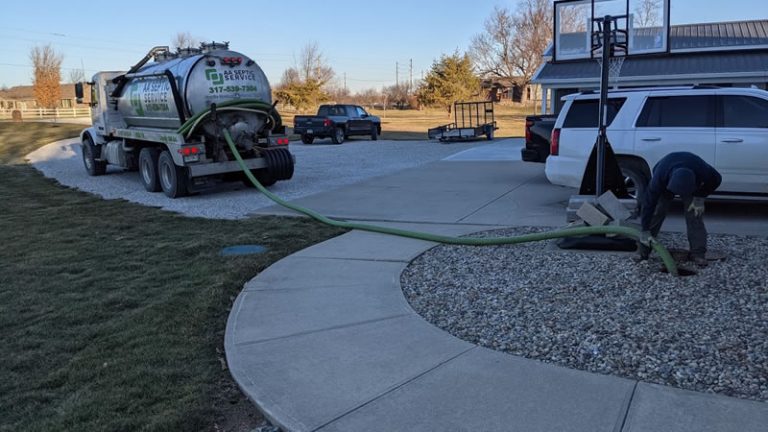
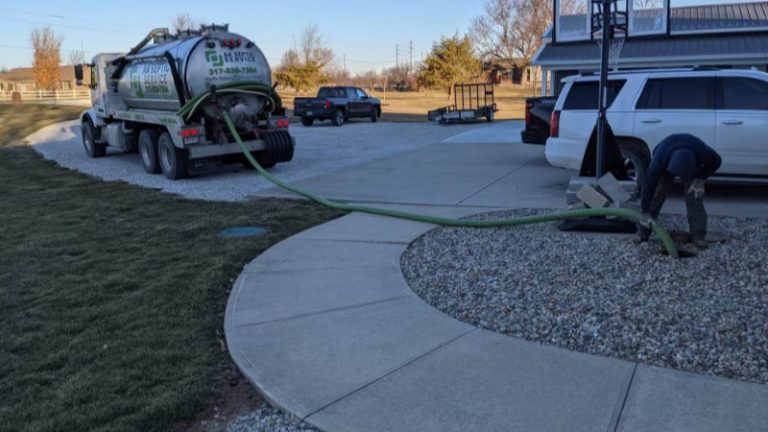
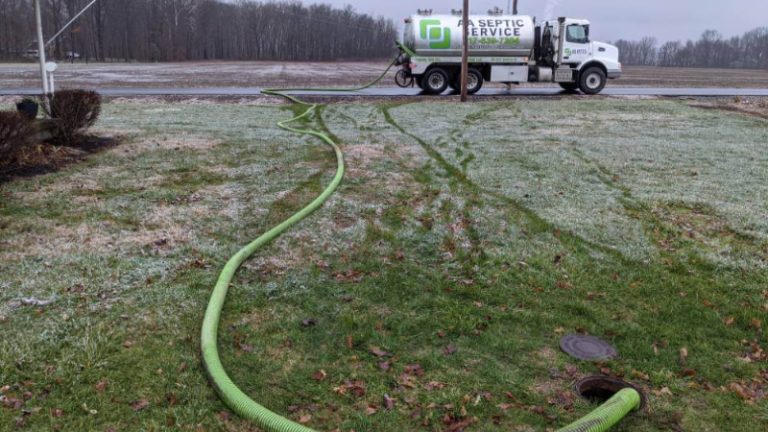
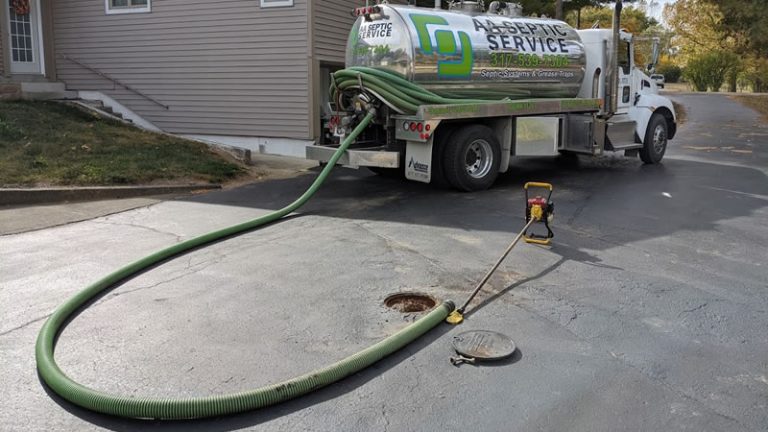
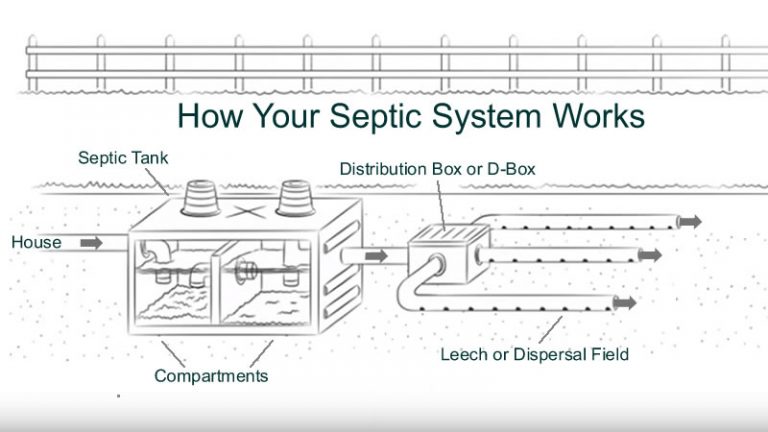
Septic Tank Pumping removes sludge and scum from the tank. Over time, those solids build up and reduce the amount of space available for wastewater. If left alone, solids can overflow into the drain field and cause serious damage.
When the tank is pumped, you are essentially resetting that storage space. What pumping does not do is repair mechanical parts, unclog broken lines, or fix a drain field that is no longer absorbing water properly.
Think of pumping as an oil change for your car. It is necessary maintenance. But if your transmission is failing, an oil change will not fix it.
The Most Common Reasons Problems Continue
When issues persist after pumping, the cause is usually deeper than just a full tank.
Drain Field Problems
If wastewater cannot soak into the soil properly, it has nowhere to go. Over time, drain fields can become compacted, oversaturated, or clogged with biomat buildup. After pumping, wastewater may flow for a short time, but if the soil cannot absorb it, symptoms return quickly. Wet or spongy areas in the yard are often a warning sign.
Broken or Obstructed Sewer Lines
Tree roots, shifting soil, and aging pipe materials can restrict or collapse lines between your house and the tank. Pumping removes tank contents, but it does nothing to restore a damaged pipe. This is where professional Septic System Repair becomes necessary.
Effluent Pump or Electrical Failure
Many homes rely on pump-assisted systems to move wastewater to the drain field. If the pump is not cycling properly or electrical controls are malfunctioning, wastewater will remain in the chamber. Pumping lowers levels temporarily, but the mechanical issue still exists.
Clogged Effluent Filter
Modern systems often include filters to protect the drain field. If the filter is clogged and not cleaned properly, water flow slows significantly. A filter that is overlooked can mimic drain field failure.
Hydraulic Overload
Large families, leaking toilets, heavy laundry use, or even sump pump connections can overwhelm a septic system. Pumping creates space in the tank, but continued high water usage can quickly recreate the same symptoms.
Warning Signs That Indicate a Bigger Issue
If you notice any of these after pumping, further inspection is warranted:
-
- Persistent sewage smells around the tank or drain field
- Water backing up into showers or basement drains
- Gurgling sounds in plumbing fixtures
- Standing water or unusually green grass over the drain field
- Septic alarm activation
These symptoms suggest that wastewater is not leaving the system the way it should.
Why Accurate Diagnosis Matters
It is easy to assume that if pumping did not fix the issue, you need a brand-new system. That is not always true. In fact, many ongoing problems are isolated to one component.
A thorough evaluation may include:
-
- Measuring liquid levels in each compartment
- Testing pump performance and amperage draw
- Inspecting float switches and electrical panels
- Checking for line obstructions or damage
- Assessing drain field saturation
With 48+ years in business, AA Septic Service has built a reputation on honest evaluations. With over 700 five-star reviews, their customers consistently mention clear communication and straightforward recommendations. Sometimes the solution is a targeted repair. Sometimes it is adjusting water usage habits. Occasionally, it may involve more extensive work. The key is identifying the real cause before making expensive decisions.
Lift Stations and Holding Tanks Need More Than Pumping
If your property uses a lift station or holding tank, continued problems often point to mechanical failure rather than capacity issues.
Lift Station Pumping removes waste buildup, but motors, floats, and control panels must also function correctly. A worn pump or faulty float switch can prevent wastewater from moving even after service. In these cases, repair work is necessary to restore reliable operation.
Commercial properties and multi-structure sites are especially vulnerable to these types of failures because of higher usage demands.
How Prevention Protects Your Investment
The best way to avoid this situation in the future is through routine maintenance and mindful system use.
-
- Follow a regular pumping schedule
- Avoid flushing wipes, grease, or non-biodegradable products
- Spread out heavy water use
- Keep vehicles and structures off the drain field
- Schedule inspections if unusual symptoms appear
Septic systems are designed to last for decades when properly maintained. Neglect and overload are the most common reasons systems fail prematurely.
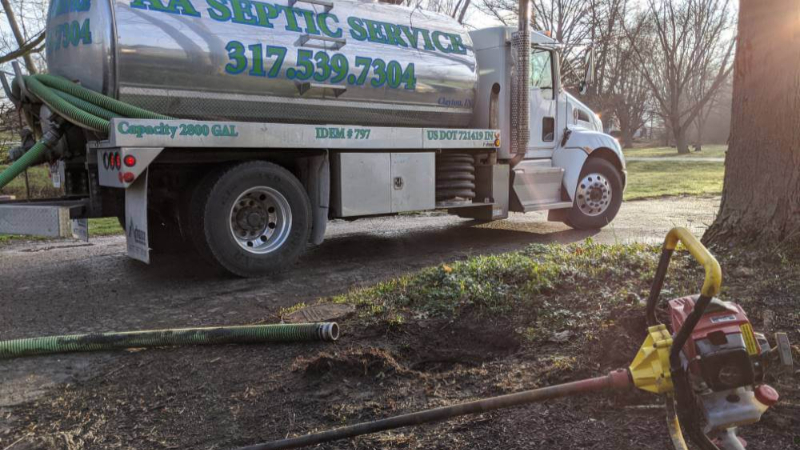
AA Septic Service Pumps Out Septic Tanks In Central Indiana
AA Septic Service is based in Danville, Indiana and provides septic tank pumping and vacuum truck services throughout:
-
- Brownsburg
- Clayton
- Danville
- Mooresville
- Hendricks County
- Putnam County
- Morgan County
- Marion County
- Boone County
- Johnson County
We provide residential and commercial Septic Tank Pumping, Septic System Repair, Lift Station Pumping, and holding tank service. Backed by nearly five decades of experience and hundreds of five-star reviews, our team focuses on practical solutions that address the root cause, not just the symptom.
Do Not Assume Pumping Solves Everything
If you pumped your septic tank and are still having problems, there is a reason. Something in the system is not functioning the way it should.
The sooner that issue is identified, the more options you typically have. Waiting often narrows those options and increases cost.
Before minor symptoms turn into a full backup or costly replacement, schedule a professional evaluation. Call (317) 539-7304 or request an estimate here to have AA Septic Service inspect your system properly.