How Heavy Rain Affects Your Septic System in Central Indiana
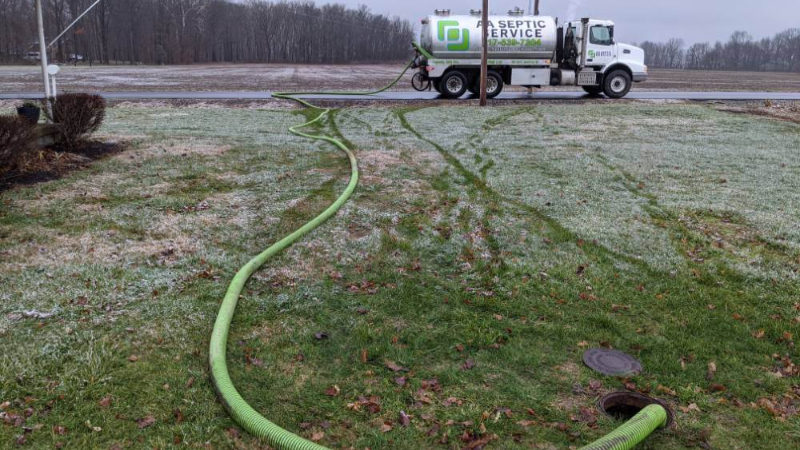
Heavy rain can put more stress on your septic system than most homeowners realize. After several days of steady rainfall, you might notice slow drains, soggy areas in the yard, or even sewage odors. That does not automatically mean your system has failed, but it does mean it is working harder than usual.
In Central Indiana, where spring storms and prolonged rain events are common, soil saturation plays a major role in septic performance. When the ground is already full of water, your drain field has a harder time absorbing wastewater from the tank.
AA Septic Service has been serving Central Indiana for more than 48 years and has earned over 700 five-star reviews from homeowners and businesses across the region. With decades of experience working in local soil conditions, they understand exactly how heavy rain impacts septic systems in this area.
Here is how rainfall affects your system, what warning signs to watch for, and when professional service may be necessary.
Why Heavy Rain Impacts Septic Systems
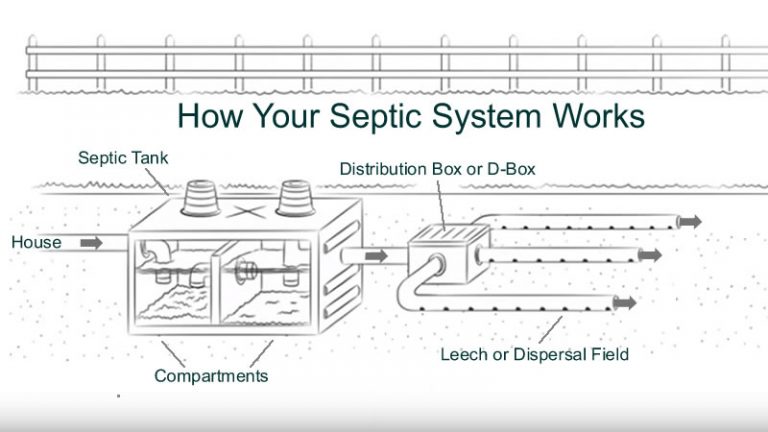
Your septic system depends on the soil in your drain field to naturally filter and absorb treated wastewater. Under normal conditions, effluent flows from the tank into perforated pipes in the drain field and slowly percolates into the surrounding soil.
When heavy rain occurs, several things happen:
-
- The soil becomes saturated with groundwater
- The drain field loses its ability to absorb additional liquid
- Water tables may temporarily rise
- Surface runoff can enter areas it normally would not
When the ground is already holding as much water as it can, wastewater from your tank has nowhere to go. This can cause slow drainage inside the home or trigger high water conditions in pump-assisted systems.
Warning Signs After Heavy Rain
It is common to see temporary changes in septic performance during extended rainfall. However, certain symptoms indicate the system is under significant stress.
-
- Slow-draining sinks, tubs, or toilets
- Gurgling sounds in plumbing fixtures
- Standing water over the drain field
- Unusually green or fast-growing grass in one area
- Septic alarm activation
- Sewage odors in the yard
If these issues appear only during heavy rain and improve as the ground dries out, your system may simply be reacting to temporary saturation. If they persist, further inspection is recommended.
How Pump-Assisted Systems React to Rain
Many homes in Central Indiana rely on pump-assisted septic systems. These systems use an effluent pump to move wastewater from the tank to the drain field.
During periods of heavy rain, the pump may continue pushing effluent into a field that cannot absorb it. This can lead to high water levels in the pump chamber and trigger alarms. In some cases, professional Septic System Repair is needed if pumps, floats, or electrical components are strained by prolonged high-water conditions.
The alarm is doing its job. It is alerting you that wastewater is not dispersing properly.
Why Pumping May Not Solve Rain-Related Issues
Homeowners sometimes assume that if the yard is wet or drains are slow after rain, they need immediate pumping. While routine Septic Tank Pumping is essential maintenance, pumping does not fix saturated soil.
If the drain field cannot accept water because the surrounding ground is saturated, emptying the tank only provides temporary relief. The soil still needs time to dry and regain absorption capacity.
That said, if the tank was already near capacity before the storm, pumping may help reduce the risk of backups during prolonged wet conditions.
How Surface Water Makes Things Worse
Improper drainage around your property can significantly increase septic stress during storms.
Common problems include:
-
- Roof downspouts directed toward the drain field
- Driveway runoff flowing over septic components
- Low spots that collect standing water
- Vehicles driving over saturated soil
Compacted or waterlogged soil reduces oxygen levels in the drain field. Oxygen is critical for the biological treatment process. When soil remains saturated for extended periods, long-term damage can occur.
Lift Stations and Holding Tanks During Storms
Properties with lift stations or holding tanks are particularly vulnerable during heavy rain.
Lift Station Pumping removes waste buildup, but storms can strain pumps and electrical systems. If groundwater infiltrates components or float switches malfunction due to prolonged high moisture, performance issues may follow.
With nearly five decades of experience, AA Septic Service understands how local storm patterns affect different system types across Hendricks, Putnam, Morgan, Marion, Boone, and Johnson Counties.
What You Should Do During Heavy Rain
If your area is experiencing prolonged rainfall, there are practical steps you can take to protect your system.
Reduce Water Usage
Limit laundry loads, shorten showers, and avoid excessive water use until conditions improve. This reduces stress on a saturated drain field.
Redirect Surface Water
Make sure gutters and downspouts direct water away from septic components.
Avoid Driving Over the Drain Field
Saturated soil is more vulnerable to compaction, which can permanently reduce absorption capacity.
Call for Evaluation if Symptoms Persist
If slow drains, odors, or alarms continue after the ground has had time to dry, professional inspection is recommended.
When Heavy Rain Reveals an Existing Problem
Sometimes rain does not cause the problem. It exposes one that was already developing.
A drain field nearing the end of its lifespan, partially clogged lines, or a weakened pump may function under normal conditions but fail during periods of stress. That is why proper diagnosis matters.
With over 700 five-star reviews and 48+ years serving Central Indiana, AA Septic Service has built its reputation on accurate evaluations and straightforward recommendations. Not every rain-related issue requires major repair, but when it does, identifying it early protects your investment.
AA Septic Service Pumps Out Septic Tanks In Central Indiana
AA Septic Service is based in Danville, Indiana and provides septic tank pumping and vacuum truck services throughout:
-
- Brownsburg
- Clayton
- Danville
- Mooresville
- Hendricks County
- Putnam County
- Morgan County
- Marion County
- Boone County
- Johnson County
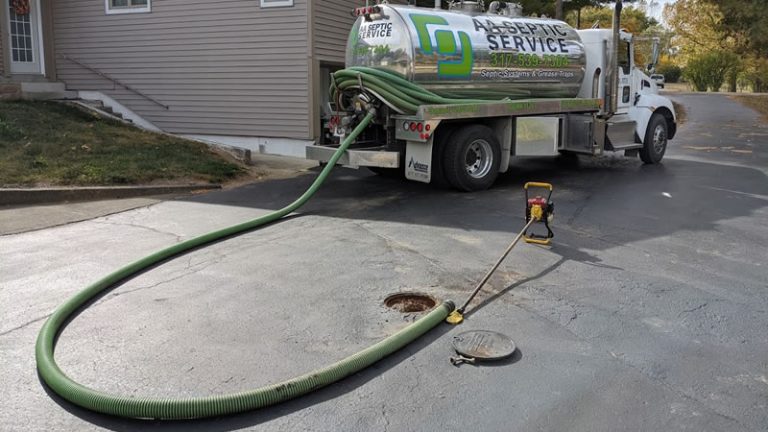
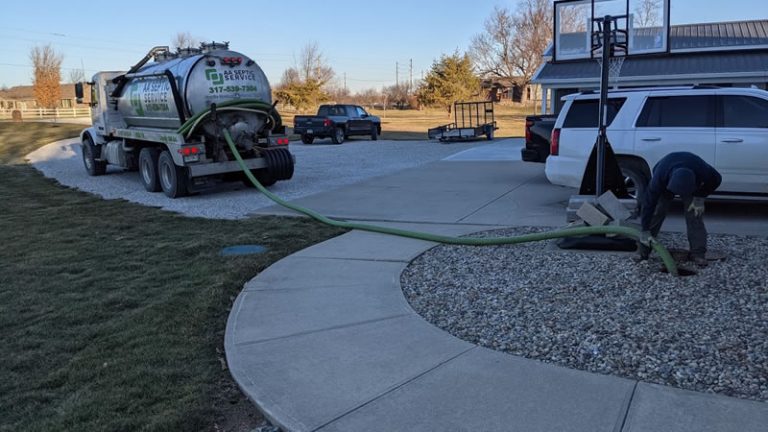
We provide residential and commercial Septic Tank Pumping, Septic System Repair, Lift Station Pumping, and holding tank service. Our team understands how local weather patterns affect septic systems and responds with practical solutions.
Do Not Ignore Warning Signs After a Storm
Heavy rain places temporary stress on septic systems, but persistent symptoms should never be ignored. The sooner an issue is evaluated, the more likely it can be corrected without major expense.
If heavy rain has affected your septic system, call (317) 539-7304 or contact AA Septic Service today to schedule an inspection and protect your property.