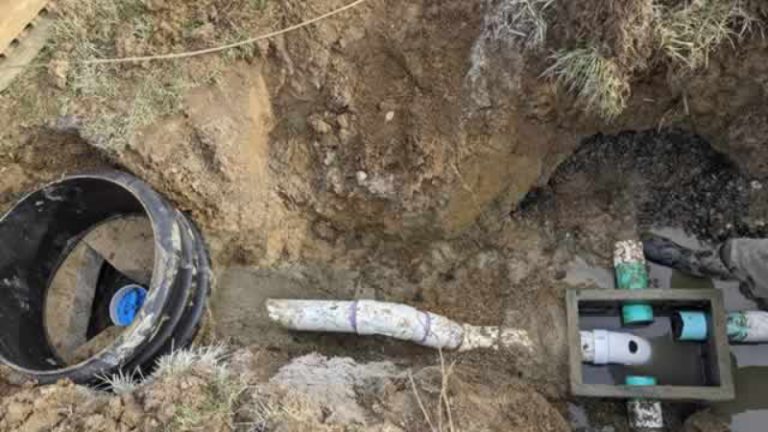
Septic Alarm Going Off? What It Means
If your septic alarm has started buzzing or flashing, your system is asking for attention. It is not a random glitch. It is a warning that wastewater is not moving through the system the way it should.
For homeowners in Central Indiana who rely on pump-assisted septic systems, that alarm is designed to prevent sewage from backing up into the house. The goal is early detection. The longer it is ignored, the greater the risk of property damage, expensive repairs, and potential system failure.
AA Septic Service has been serving Central Indiana for more than 48 years and has earned over 700 five-star reviews from homeowners and businesses across the region. When an alarm goes off, having a local company with decades of experience and a proven track record makes a real difference.
Here is what the alarm typically means, what you should do immediately, and why professional diagnosis matters.
What a Septic Alarm Actually Tells You
Many modern septic systems include an effluent pump that moves wastewater from the tank to the drain field or secondary treatment area. When something interrupts that process, the alarm activates.
Most alarms are triggered by high water levels inside the pump chamber. That high water condition can happen for several reasons:
-
- The pump is not turning on
- The pump is running but cannot discharge properly
- A float switch is stuck or malfunctioning
- An electrical issue has interrupted the system
- The drain field is saturated and accepting water slowly
In some cases, especially on properties with holding tanks or advanced treatment systems, alarms may also signal that the tank has reached capacity and needs immediate pumping.
The important thing to understand is this: the alarm does not diagnose the problem. It only tells you that the system is operating outside of normal parameters. Silencing it without investigation does not fix the issue. Proper inspection, and in many cases professional Septic System Repair, is what prevents escalation.
What To Do Immediately When the Alarm Sounds
The first priority is reducing stress on the system.
Reduce Water Use
Stop running dishwashers and washing machines. Shorten showers. Avoid using large amounts of water until the issue is evaluated. This lowers the water level inside the tank and reduces the chance of a sewage backup.
Check the Breaker Once
If your system has a dedicated breaker, check to see if it has tripped. You may reset it one time. If it trips again, leave it off and call for service. Repeatedly resetting a breaker can damage the pump motor or mask a deeper electrical problem.
Do Not Attempt a DIY Inspection
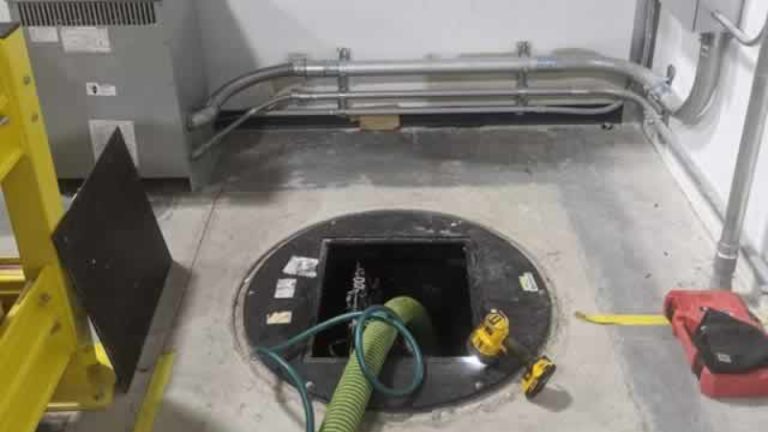
Opening a septic tank or pump chamber is dangerous. Septic tanks contain hazardous gases and require proper safety equipment. Internal components are electrical and mechanical. Attempting to troubleshoot without training can make the situation worse and create safety risks.
If the alarm continues, or if you notice slow drains, gurgling toilets, or sewage odors, it is time to schedule professional service. A prompt service call often prevents a simple maintenance issue from turning into a full drain field failure.
The Most Common Reasons Septic Alarms Go Off
While every system is different, most alarm calls fall into a few common categories.
Pump Failure
Effluent pumps do not last forever. Over time, motors wear out or clog with debris. When a pump stops moving wastewater forward, liquid levels rise and the alarm activates. Addressing this quickly through professional Septic System Repair helps avoid tank overflow and protects downstream components.
Clogged Effluent Filter or Line
Many tanks include a filter that prevents solids from reaching the drain field. If it becomes clogged due to lack of maintenance, flow slows dramatically. This is one reason routine Septic Tank Pumping and inspection are so important.
Float Switch Problems
Float switches control when the pump turns on and off. If they become tangled, coated in debris, or damaged, they may fail to activate the pump at the correct water level. Diagnosing float issues requires accessing internal components safely.
Drain Field Saturation
Heavy rainfall, compacted soil, or long-term overload can reduce the drain field’s ability to absorb wastewater. When effluent cannot disperse properly, it backs up into the tank and triggers the alarm. In more serious cases, professional Septic System Repair may be necessary to address damaged lines or failing components.
Lack of Routine Pumping
When septic tanks are not maintained on schedule, solids accumulate and reduce available capacity. This increases the likelihood of high-water alarms and long-term system stress. Regular Septic Tank Pumping is one of the simplest ways to prevent emergency calls.
Lift Station Issues
Properties that rely on lift stations are especially dependent on mechanical performance. A malfunctioning station can trigger alarms quickly and requires specialized service such as Lift Station Pumping and mechanical inspection.
Why Ignoring the Alarm Can Cost You
The alarm is your early warning system. Ignoring it often leads to much larger problems.
When water levels continue to rise, sewage can back up into showers, floor drains, or basement fixtures. Cleanup and restoration can quickly exceed the cost of the original repair.
Running a failing pump under strain can burn it out completely. A clogged filter left unattended can push solids into the drain field, permanently reducing soil absorption. Drain field replacement is one of the most expensive septic repairs a homeowner can face.
With more than four decades in business, AA Septic Service has seen firsthand how small warning signs turn into major system failures when homeowners delay action. Experience matters when diagnosing whether you are dealing with a simple pump issue or a larger drain field concern.
In counties throughout Central Indiana, septic systems must operate properly to protect groundwater and surrounding properties. Delays not only risk property damage but can create environmental and regulatory concerns.
How a Professional Evaluation Protects Your Investment
When a qualified technician evaluates a septic alarm situation, the goal is not just to silence the buzzer. The goal is accurate diagnosis.
A proper inspection may include:
-
- Testing electrical supply and control panel components
- Measuring liquid levels inside the tank
- Checking pump amperage and cycling
- Inspecting float switch function
- Cleaning filters if needed
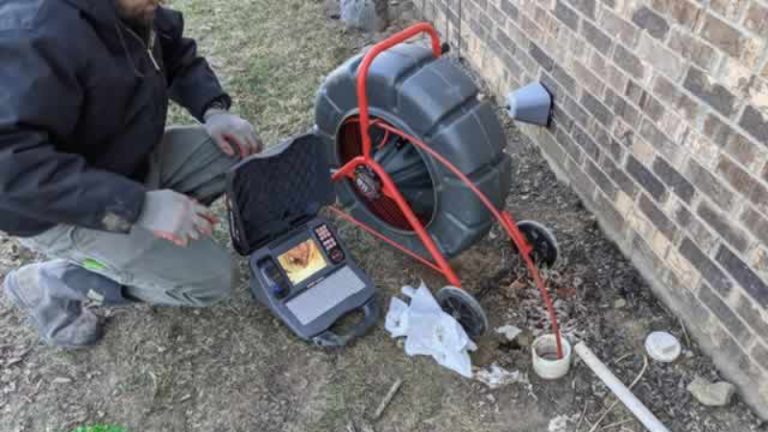
- Pumping the tank to allow safe internal inspection using professional Septic Tank Pumping equipment
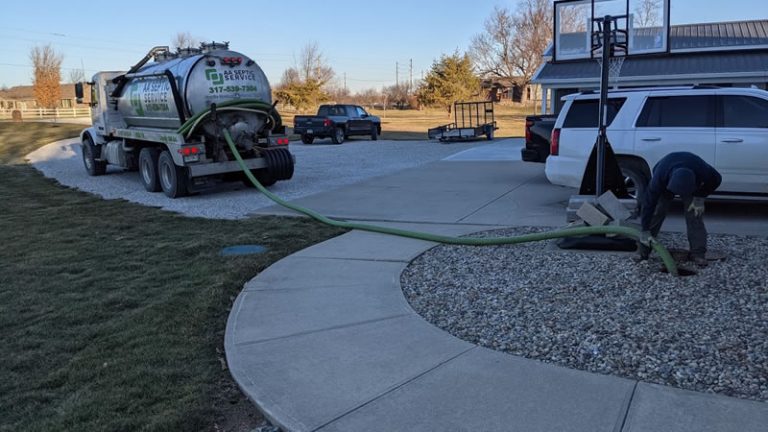
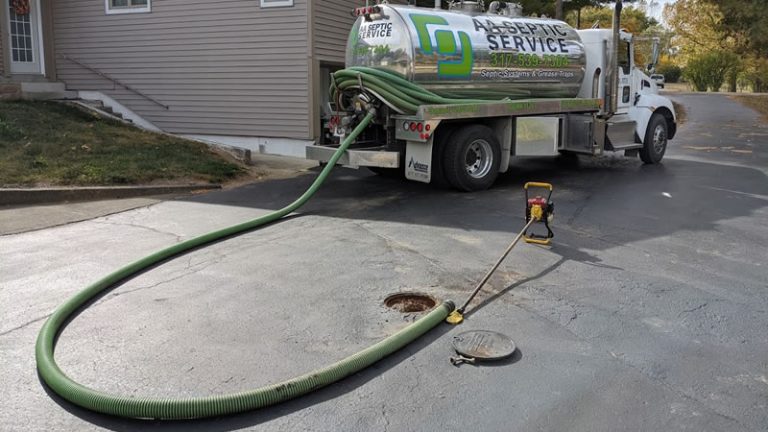
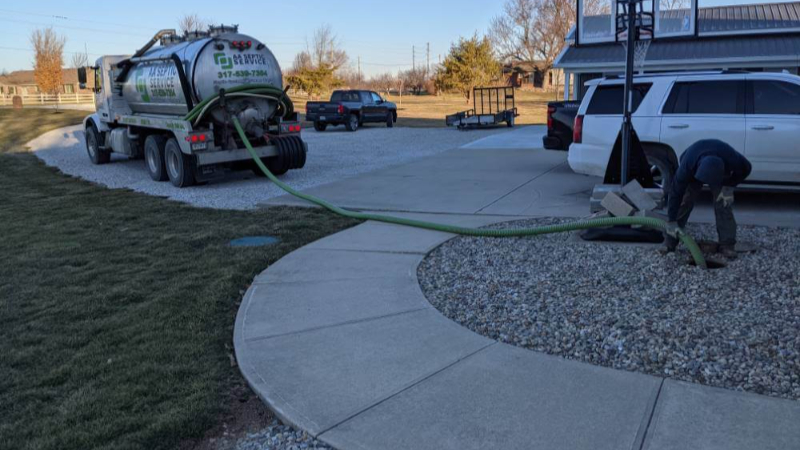
AA Septic Service operates dedicated vacuum trucks and provides residential and commercial Septic Tank Pumping, Septic System Repair, Lift Station Pumping, and holding tank service. With over 700 five-star reviews and 48+ years serving Central Indiana, their team understands the different system configurations and soil conditions common in this region.
Sometimes the issue is straightforward and inexpensive to correct. Other times, it reveals a deeper maintenance problem that requires attention. What matters is making decisions based on testing rather than assumptions.
For homeowners planning property improvements such as patios, driveways, or other hardscape features, understanding septic layout is also critical. Installing structures over drain fields or access lids can complicate maintenance and contribute to long-term system stress. Septic awareness should always be part of property planning.
AA Septic Service Pumps Out Septic Tanks In Central Indiana
AA Septic Service is based in Danville, Indiana and provides septic tank pumping and vacuum truck services throughout:
-
- Brownsburg
- Clayton
- Danville
- Mooresville
- Hendricks County
- Putnam County
- Morgan County
- Marion County
- Boone County
- Johnson County
We service residential and commercial septic systems, holding tanks, and lift stations with professional equipment and trained technicians backed by decades of experience.
Do Not Wait for a Backup
A septic alarm is a warning, not a suggestion. Reducing water use buys you time, but it does not solve the problem. The longer the condition persists, the greater the risk to your home and your septic system.
If your septic alarm is going off, schedule a professional evaluation before a warning turns into a sewage backup. Call (317) 539-7304 or contact AA Septic Service today to request an inspection or estimate.